


As temperatures drop, people with chronic obstructive pulmonary disease (COPD) often find that cold weather can worsen their symptoms. Cold air and coughing are common occurrences, especially when irritated bronchial tubes are already present due to cold air. It's not just the cold air itself; factors like indoor heating, dryness, and seasonal infections can also affect people with COPD. This blog explores why cold weather impacts COPD and offers practical tips for effectively managing these challenges. Additionally, it's important to understand how breathing exercises, proper breathing techniques, and specific breathing exercises can help with COPD and emphysema. The current weather also plays a role, which is why many people with COPD regularly check the weather forecast.

Understanding the effects of cold weather on COPD
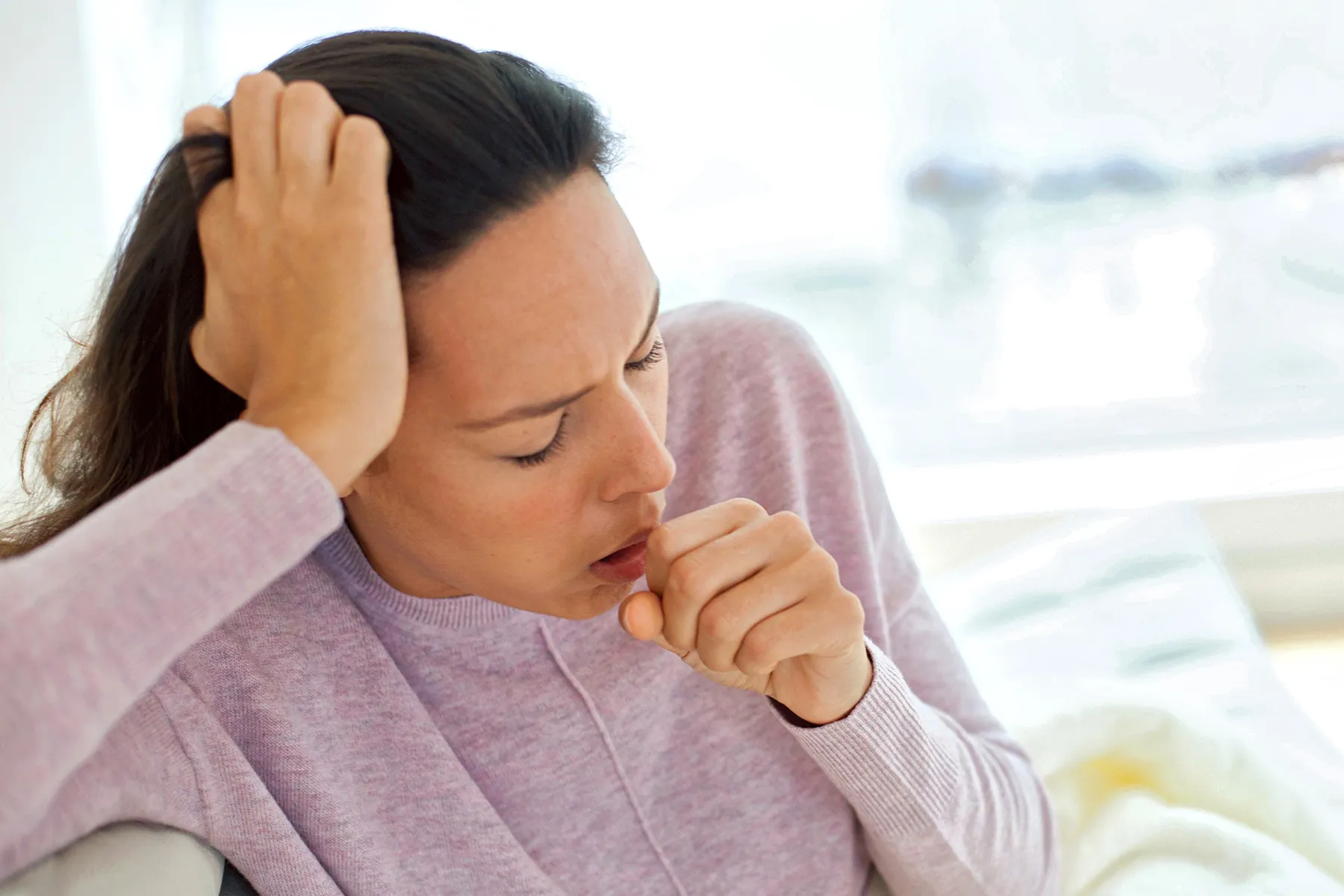
COPD, a group of lung diseases that includes emphysema and chronic bronchitis, leads to reduced airflow into and out of the lungs, causing shortness of breath, coughing in cold air, and other symptoms. "Cold air hurts the lungs, what to do?" is a common question, as the dry cold irritates the airways and can cause bronchospasm. This reaction can make breathing even more difficult for people with COPD, especially if the bronchi are already irritated from cold air. Therefore, breathing exercises and regular breathing exercises significantly support lung function in COPD. Many sufferers report that they develop symptoms more quickly than usual when coughing in cold air.
Managing COPD in cold weather: Practical tips
Stay warm and breathe properly.
Dress in layers to retain body heat. Use a scarf or face mask to warm the air before it enters your lungs. Additionally, it's recommended to practice proper breathing techniques daily, as this protects the airways. Practice breathing through your nose to warm and humidify the air before it reaches your airways. Many people combine this technique with COPD breathing exercises or incorporate other COPD breathing exercises into their routine. This also helps if cold air symptoms worsen with bronchitis or if coughing is more pronounced in cold weather.
Maintaining indoor air quality
Use a humidifier to add moisture to the indoor air, which can be dry due to heating systems. Ensure regular ventilation, but avoid drafts. Many sufferers notice that irritated bronchial tubes are less frequent when indoor air quality is optimal. If you notice that the weather is particularly cold or dry today, you should take additional precautions.
Stay active indoors
Cold weather can hinder outdoor activities, but it's important to stay active. Opt for indoor exercises such as stretching, yoga, or treadmill workouts. Breathing exercises are especially helpful for maintaining lung capacity, particularly for those with COPD, including various breathing exercises for COPD, pulmonary emphysema, and other conditions. Consult your doctor about suitable indoor exercises if you notice that coughing occurs more frequently in cold weather.
Treating infections
The risk of flu and colds increases in winter. Get vaccinated and practice good hygiene. People who frequently suffer from irritated bronchi due to cold air are particularly susceptible to infections. Regularly check the weather forecast for today to know how high the outdoor exposure might be. Cold air is an additional risk factor for bronchitis.
Keep your medications readily available and follow your COPD action plan.
Make sure you have enough medication on hand. Follow your COPD action plan as prescribed by your doctor. If coughing worsens in cold air or if coughing in cold air is exacerbated, supplementary breathing exercises or targeted breathing techniques may provide support.
Stay hydrated
Drink plenty of fluids to keep mucus thin. Adequate hydration can reduce the risk of irritated bronchi caused by cold air. People who practice daily breathing exercises for COPD often report improved mucus clearance.
Regular check-ups
Schedule regular checkups with your doctor, especially during the winter months. Use these visits to ask questions about breathing exercises for COPD and emphysema. Additional precautions are particularly helpful on days when the weather is unfavorable for COPD.
Frequently Asked Questions (FAQs)
-
Q: Why does my cough get worse so quickly in the cold?
A: Coughing in cold air is often caused by dry air, which irritates the airways. People with COPD are more likely to experience irritated bronchi from cold air, which exacerbates their symptoms. -
Q: Which breathing techniques are particularly helpful in winter?
A: Exercises such as breathing training for COPD, breathing correctly for COPD and various breathing exercises for COPD help to stabilize the airways and improve lung function. -
Q: How can I prepare for extreme COPD weather today?
A: Check the COPD weather forecast regularly today and plan indoor activities if conditions are poor. Additionally, use COPD breathing exercises and keep your airways warm. -
Q: Do breathing exercises really help with COPD and pulmonary emphysema?
A: Yes, breathing exercises for COPD and pulmonary emphysema improve breathing control, reduce shortness of breath and support lung capacity. -
Q: What can I do if cold air irritates my bronchial tubes?
A: Use scarves or masks, humidify indoor air, and incorporate COPD breathing exercises or proper breathing for COPD to minimize irritated bronchi caused by cold air.
Conclusion
Managing COPD in cold weather requires a proactive approach. Understanding how the cold affects your lungs and following these tips can help you manage your COPD symptoms more effectively during the colder months. Breathing techniques such as proper breathing for COPD, breathing exercises for COPD, and regular COPD breathing exercises can be crucial. Regularly check the current COPD weather forecast, avoid situations that trigger coughing in cold air, and protect yourself from irritated bronchi caused by cold air and from cold air exposure that can lead to bronchitis.