


- Featured
- Most relevant
- Best selling
- Alphabetically, A-Z
- Alphabetically, Z-A
- Price, low to high
- Price, high to low
- Date, old to new
- Date, new to old
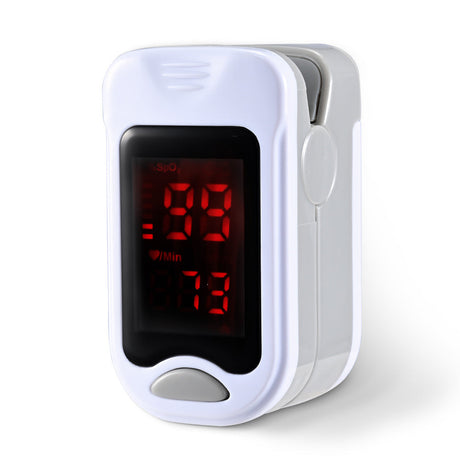
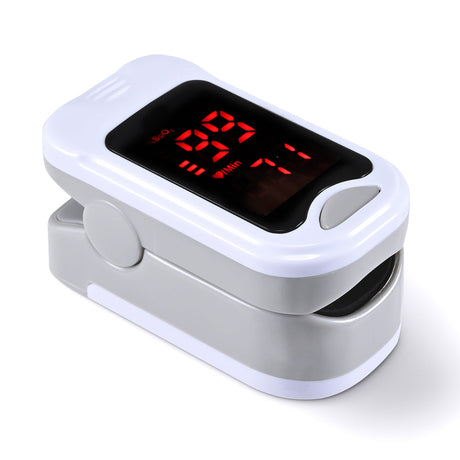
Oximeter
An oximeter is an indispensable device for monitoring health today. Especially for people with respiratory illnesses, heart problems, or the elderly, a pulse oximeter offers a quick and easy way to measure oxygen saturation (SpO₂) and pulse rate.
What is an oximeter?
A finger oximeter – often also called a finger pulse oximeter – is attached to the finger and measures important values such as oxygen saturation and pulse within seconds. Modern devices are small, portable, and easy to use in everyday life.
The pulse oximeter not only provides SpO₂ values but also the pulse rate. This allows users to read their heart rate directly on the device. Some models store measurements for later analysis.
Different names and functions
-
Oximeter: This term often appears in online searches when people are looking for general information about oximeters.
-
Oximeter Pulse Rate: Devices that explicitly display oxygen saturation along with pulse rate.
-
Pulse oximeter: Often used synonymously with pulse oximeter, emphasizing the measurement of the pulse.
Whether you call it a pulse oximeter, finger pulse meter or oximeter finger pulse – the function remains the same: rapid measurement of oxygen levels and heart rate.
Operating instructions and application
For users who value clear instructions, the German-language pulse oximeter user manual is particularly important. It ensures correct handling and prevents measurement errors. Typical steps:
-
Turn on the device.
-
Place your finger in the measuring chamber.
-
Breathe calmly and wait a few seconds.
-
Read the values on the display.
Many models display the pulse rate in addition to oxygen saturation.
Advanced Features
Some devices combine functions and offer, for example, pulse oximetry and blood glucose monitoring in one device. These combination devices are practical for people who want to regularly monitor their blood glucose in addition to SpO₂.
Online research also reveals many oximeter tests that compare different models. These tests consider factors such as accuracy, ease of use, display quality, and additional functions.
Advantages of a pulse oximeter
-
Quick & easy: Measurement only takes a few seconds.
-
Mobile: A finger pulse oximeter fits in any pocket.
-
Prevention: Ideal for seniors, athletes, or patients with respiratory diseases.
-
Monitoring: Measurement of oxygen saturation and pulse rate is possible at any time.
Tips for correct use
-
Always measure in a resting state.
-
Fingers should be clean and warm.
-
Take several measurements throughout the day.
-
Document results to identify changes.
Conclusion
Whether called a pulse oximeter, finger oximeter, or finger pulse oximeter – this small device provides valuable health information. With clear instructions in German, practical functions such as pulse display, and modern combination models like pulse oximeter/blood glucose monitors, the oximeter becomes an important everyday tool.
By comparing different models in oximeter tests, users can find the right device for their individual needs.